

From Exploitation to Independence.
Understanding the Issue. Supporting Survivors. Strengthening Our Community.
What is Sex Trafficking?
Sex trafficking is the exploitation of a person for commercial sex through force, fraud, or coercion. When a minor is involved, any commercial sexual activity is considered trafficking regardless of force, fraud, or coercion.
Sex trafficking occurs in many forms and locations, including hotels, private residences, online platforms, escort services, and illicit businesses. Traffickers use manipulation, threats, violence, and psychological control to exploit victims.
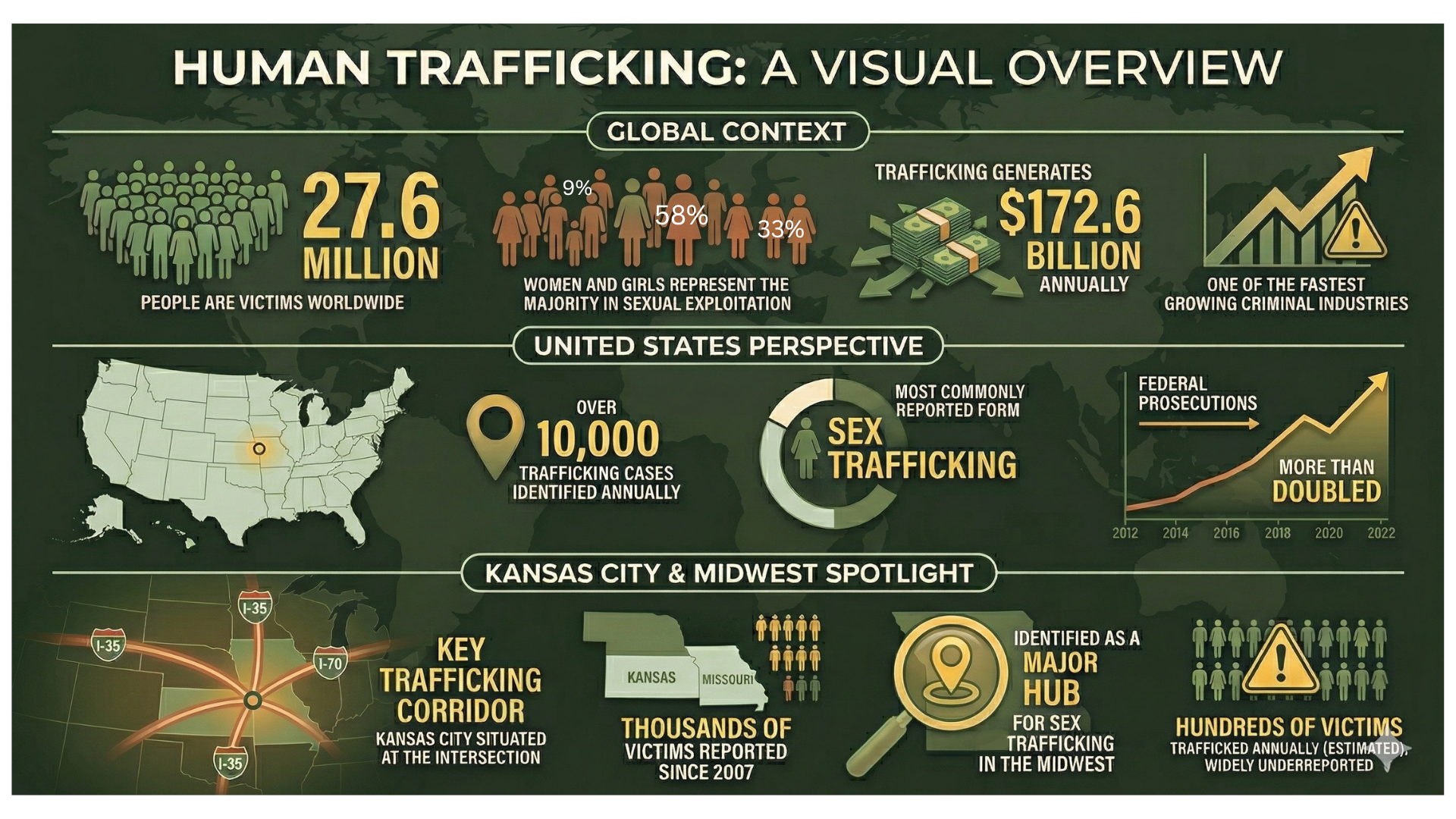
Trafficking in this region often occurs in plain sight, within everyday community settings.

Sex trafficking is one of the fastest-growing criminal industries in the world because it is highly profitable (over $170 billion annually) and relatively low risk for traffickers compared to other forms of organized crime. Increasing use of online platforms has also expanded markets for traffickers while providing anonymity.
Unlike drugs or weapons, which can only be sold once, traffickers can exploit a person repeatedly for profit, sometimes dozens of times per day.
Demand for commercial sex continues to drive exploitation.
Does a situation feel off to you and you think that trafficking may be happening?
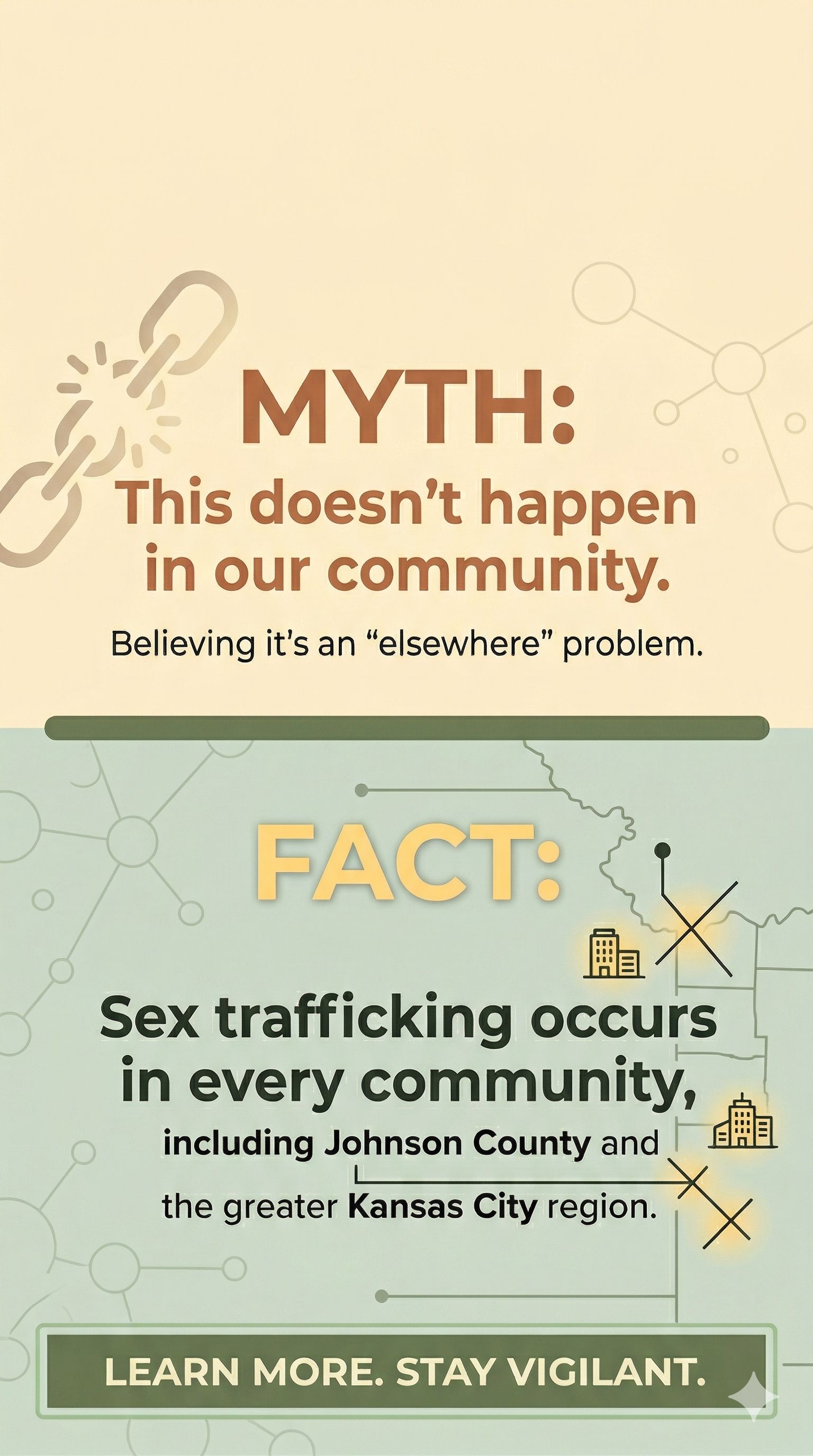
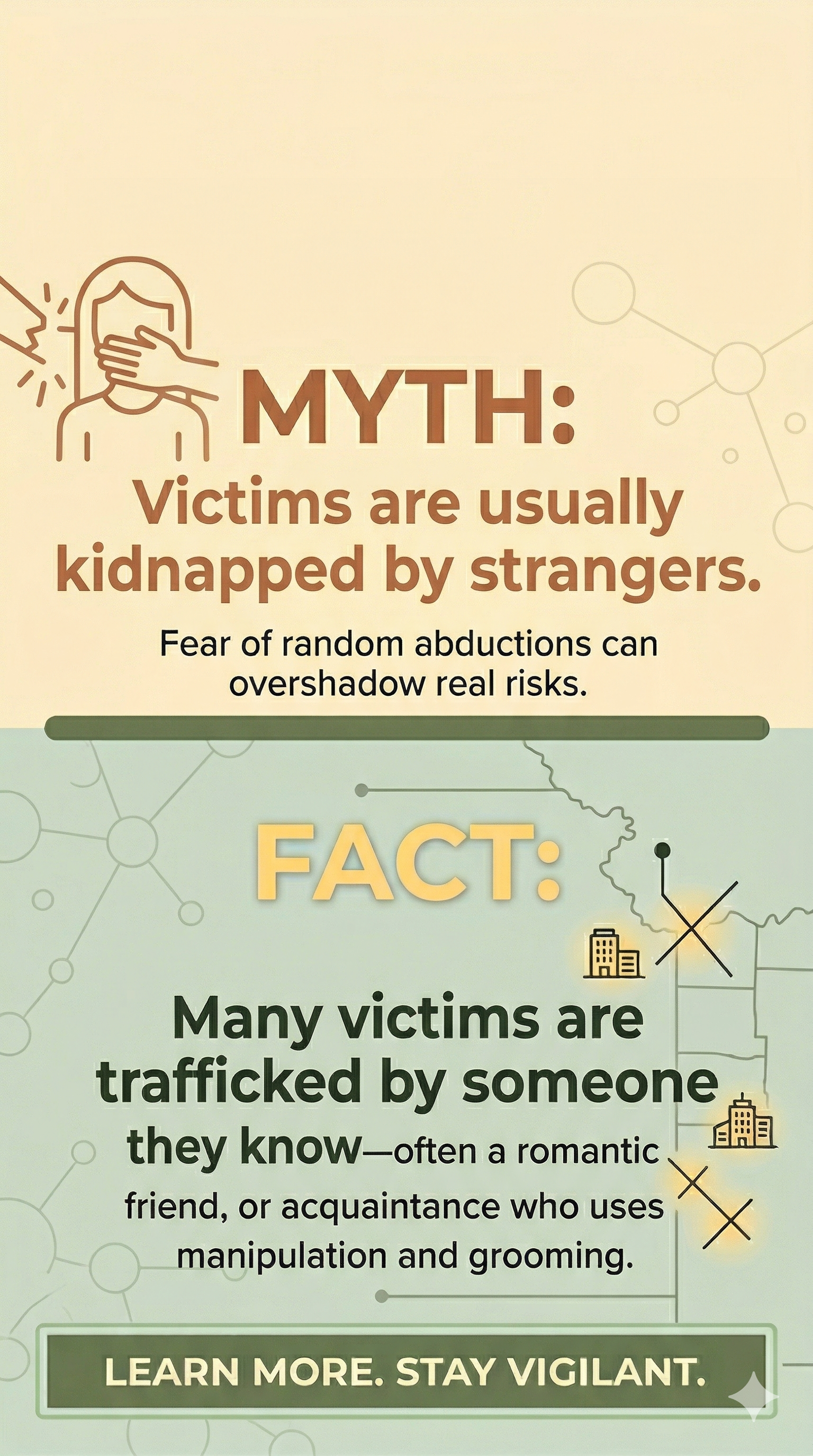
Myths vs. Facts About Sex Trafficking
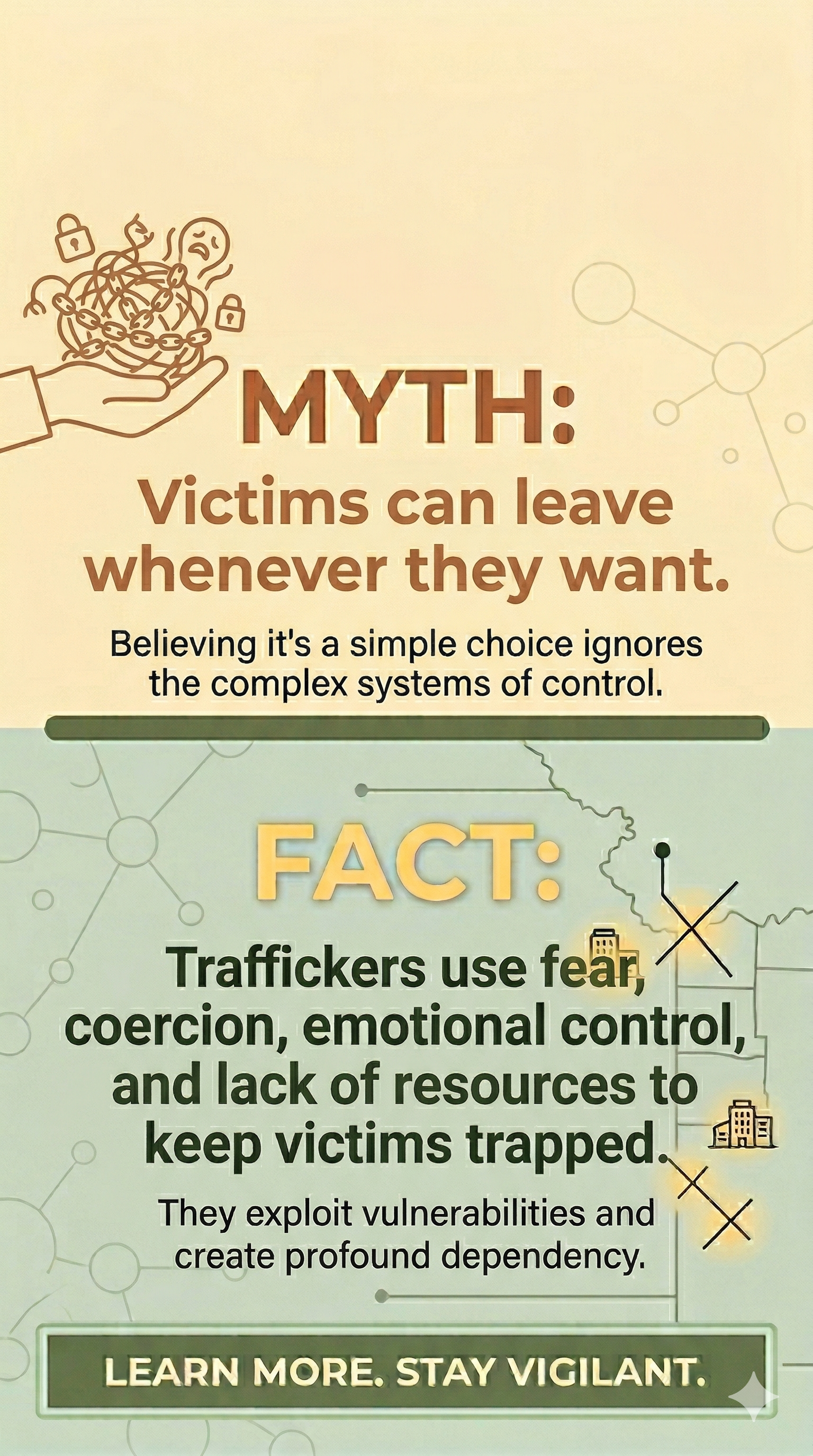
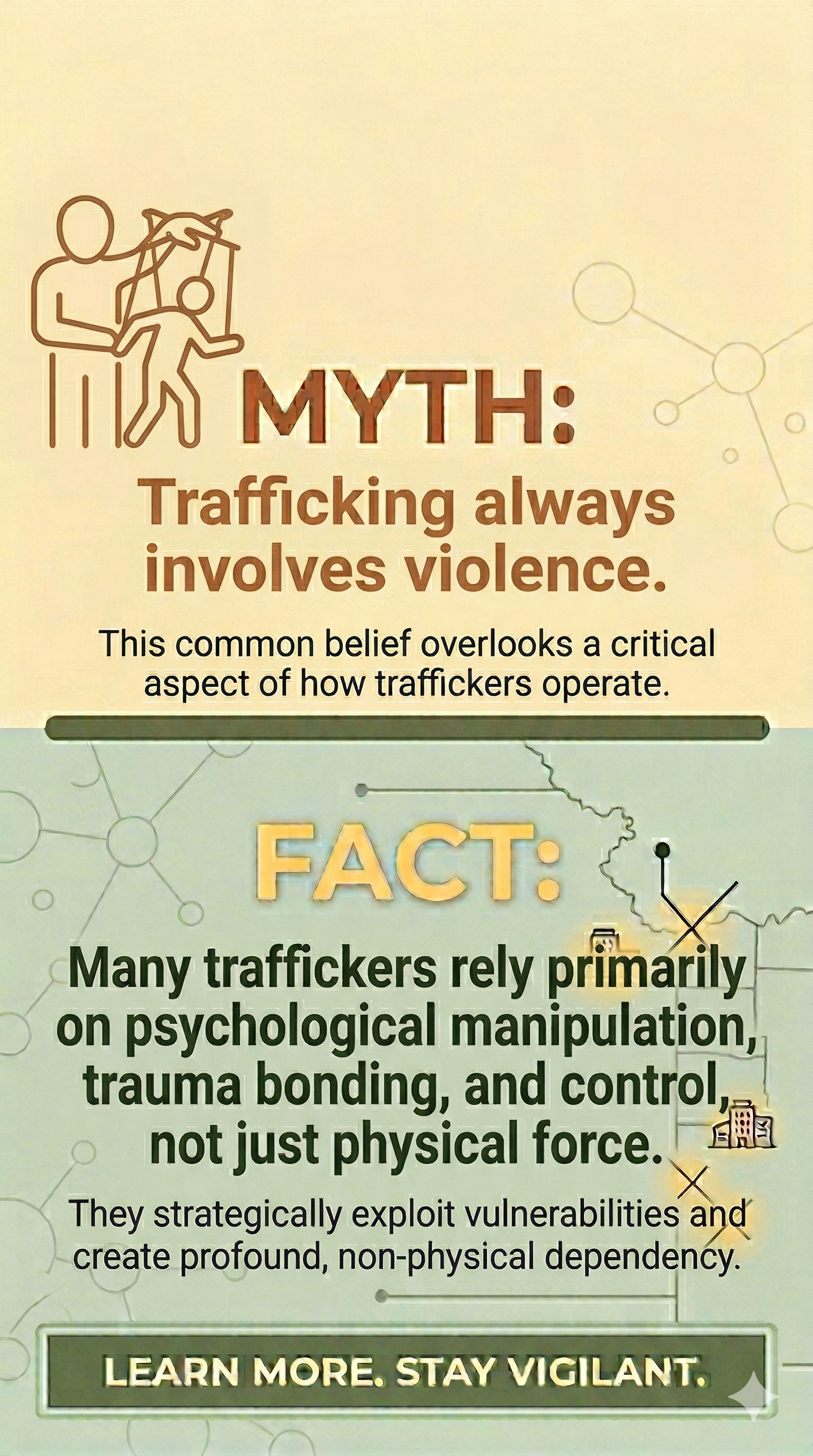
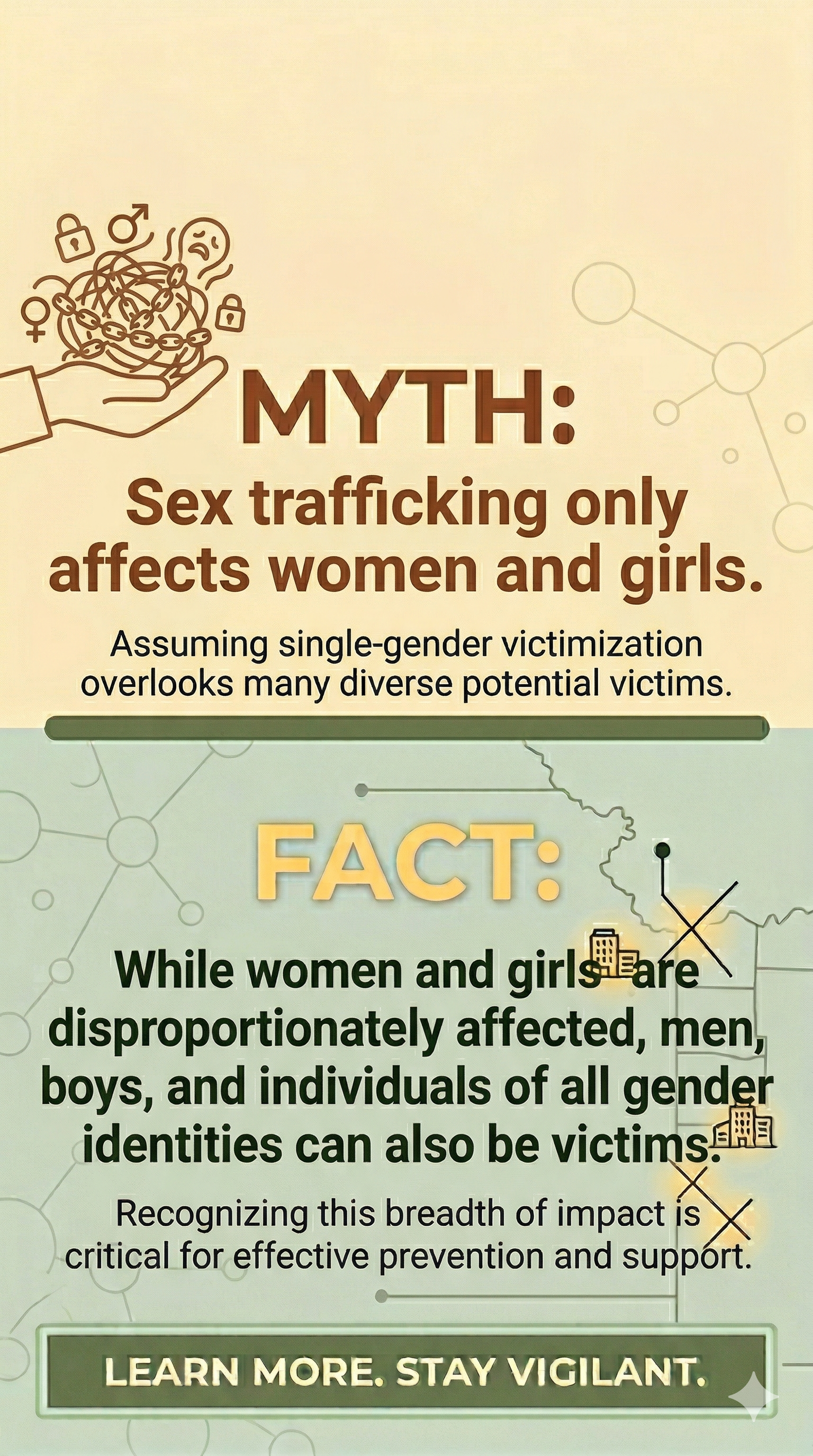
Who Is Most Vulnerable to Trafficking?
While anyone can be trafficked, traffickers often target individuals experiencing:
Poverty or financial instability
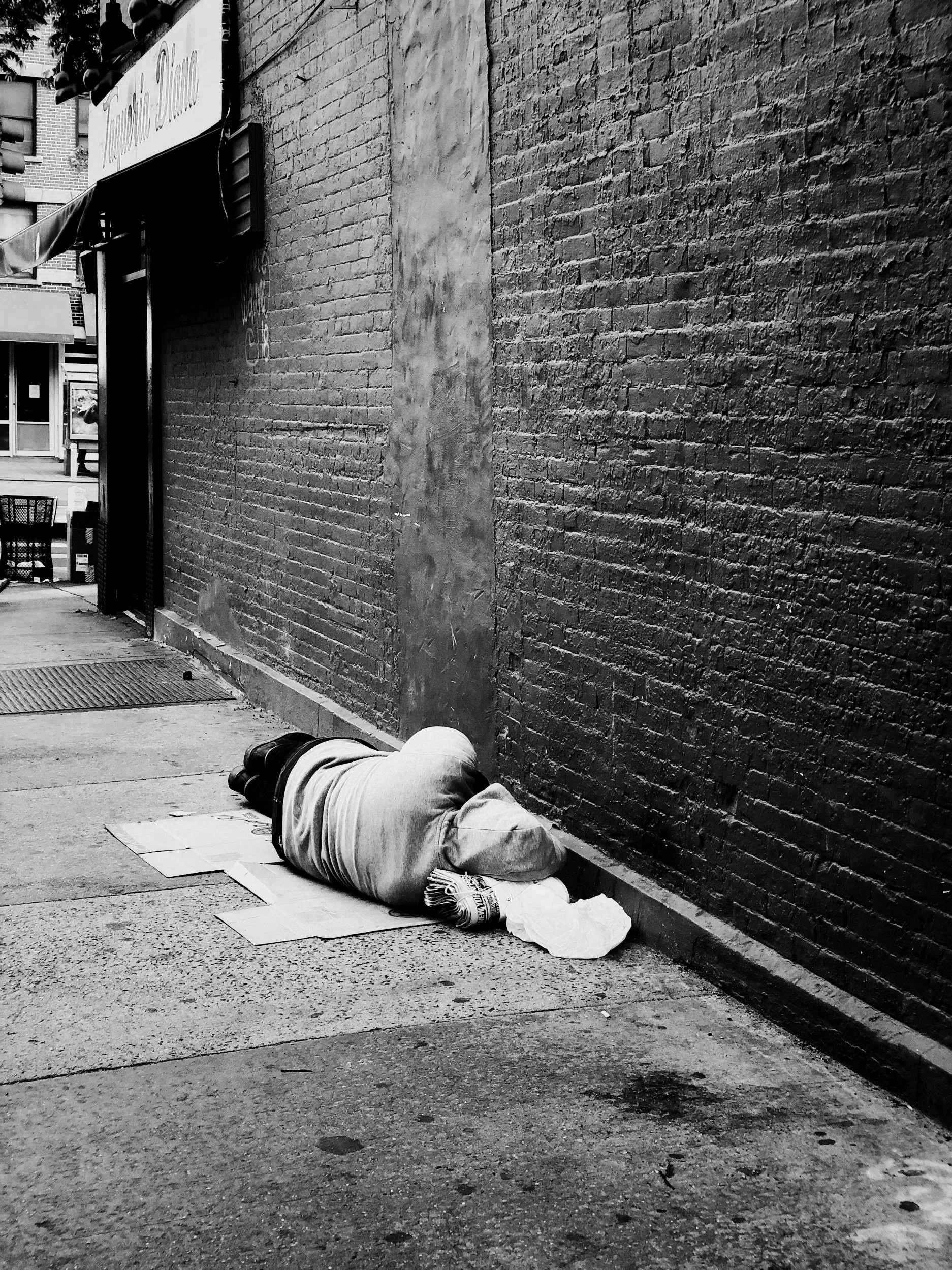
Homelessness or housing insecurity
Childhood abuse or neglect
Foster care involvement
Mental health challenges
Substance dependency
Lack of support systems
Online grooming exposure
How Do Traffickers Recruit and Control?
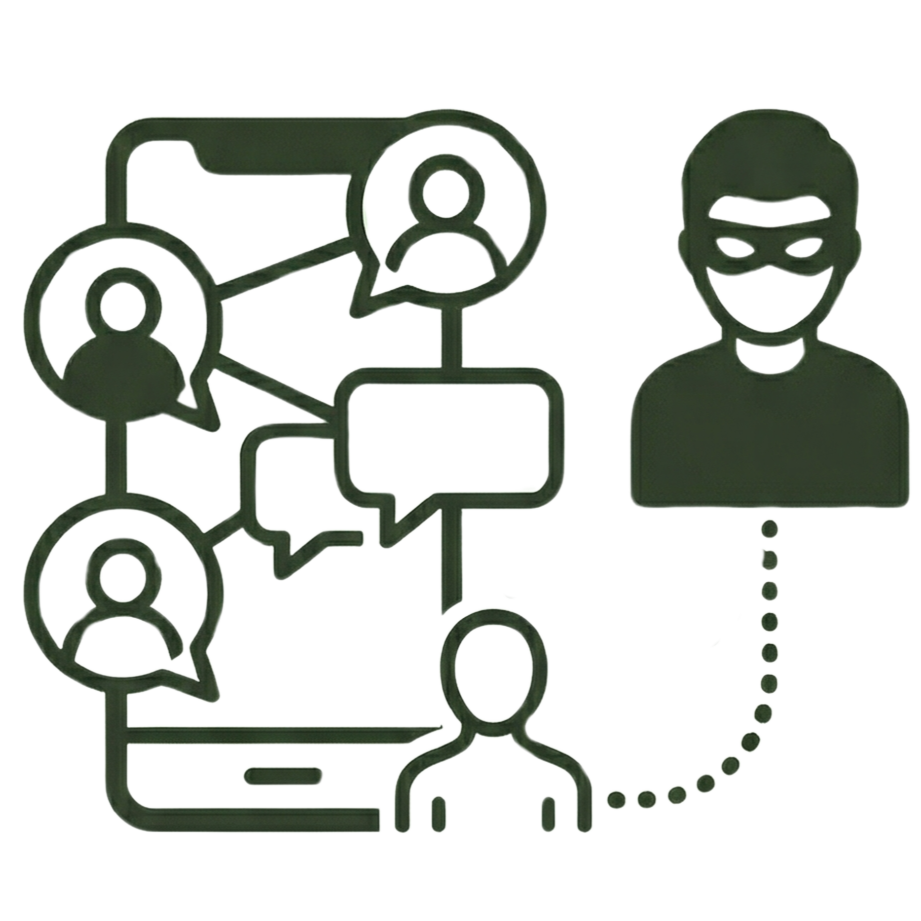
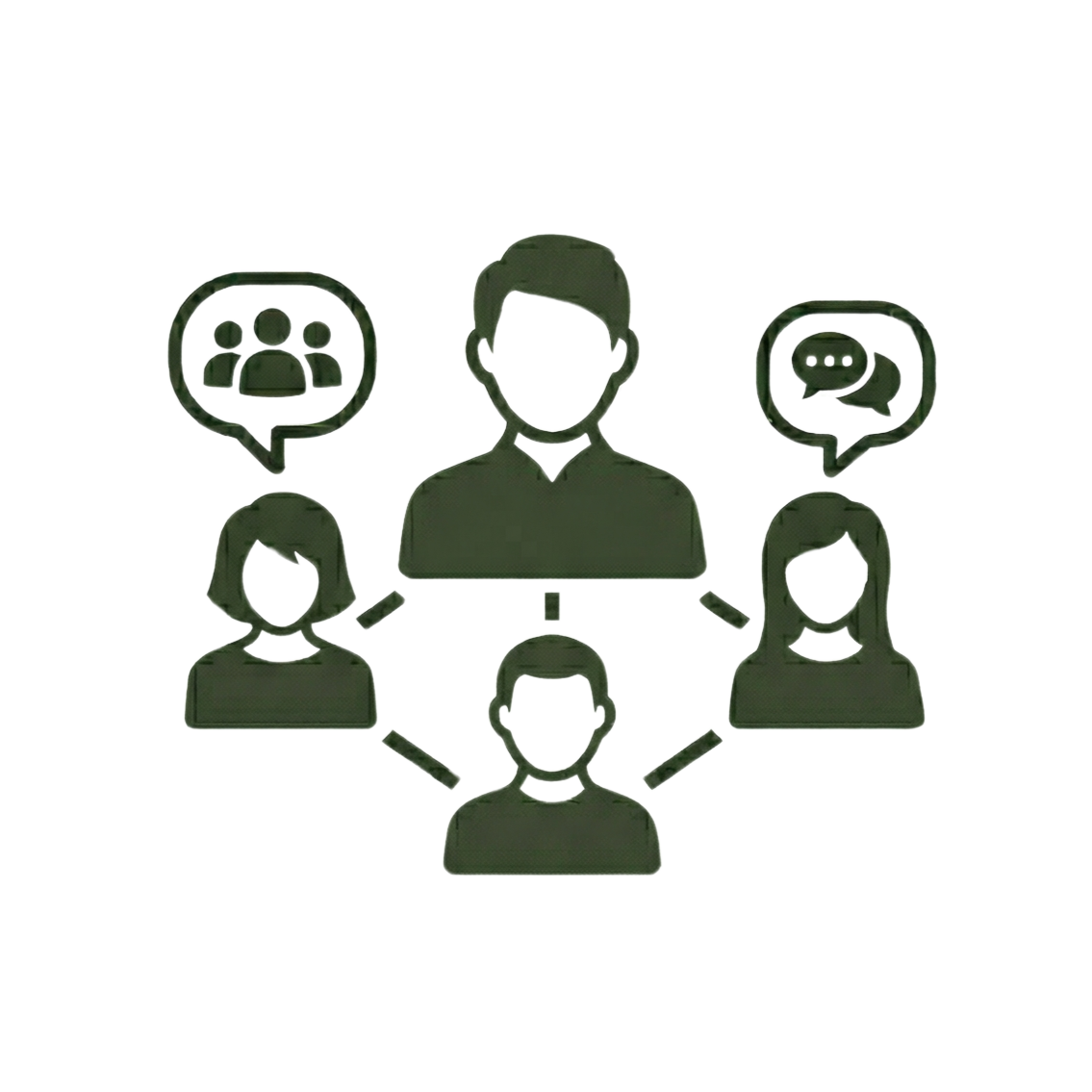
Recruitment Methods
False romantic relationships
Job or financial opportunity promises
Peer recruitment
Social media and online grooming


Control Tactics
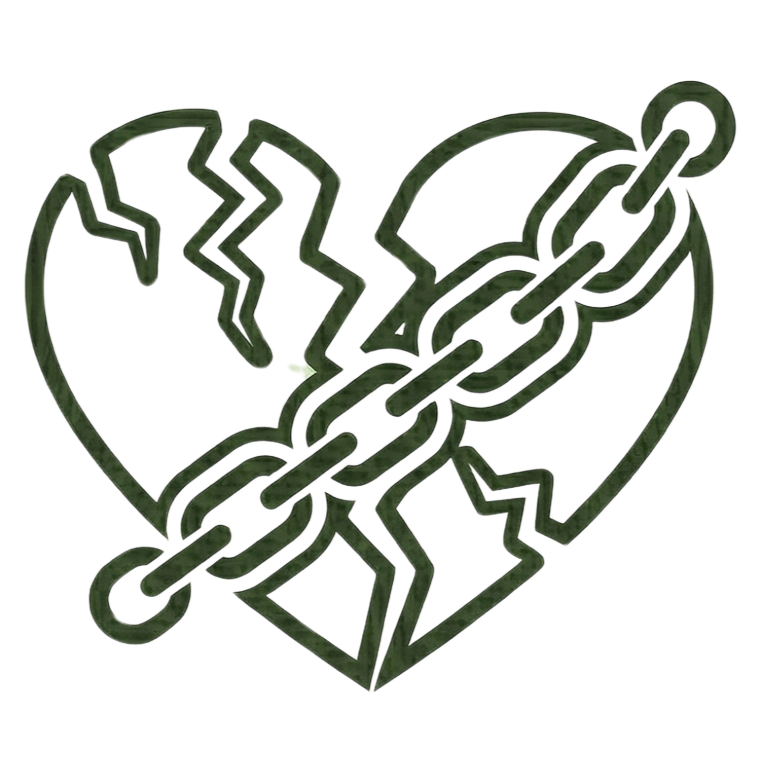
Emotional manipulation and trauma bonding
Threats or violence
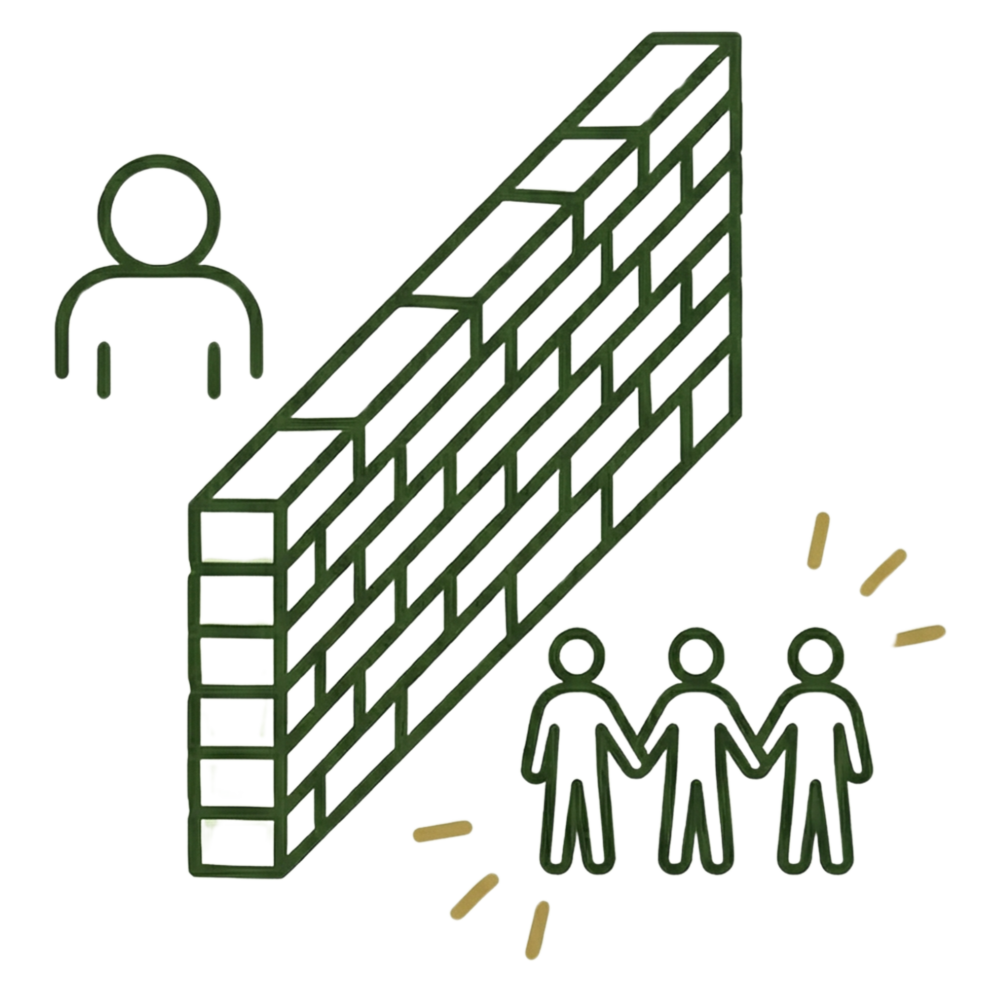
Isolation from support systems
Financial or drug dependency
Monitoring communication




What are the Sign of Sex Trafficking in Adults?
· Fearful, anxious, or submissive behavior
· Limited freedom or someone speaking for them
· Lack of identification or control over documents
· Signs of abuse or neglect
· Excessive work with little or no pay
The Survivor’s Journey
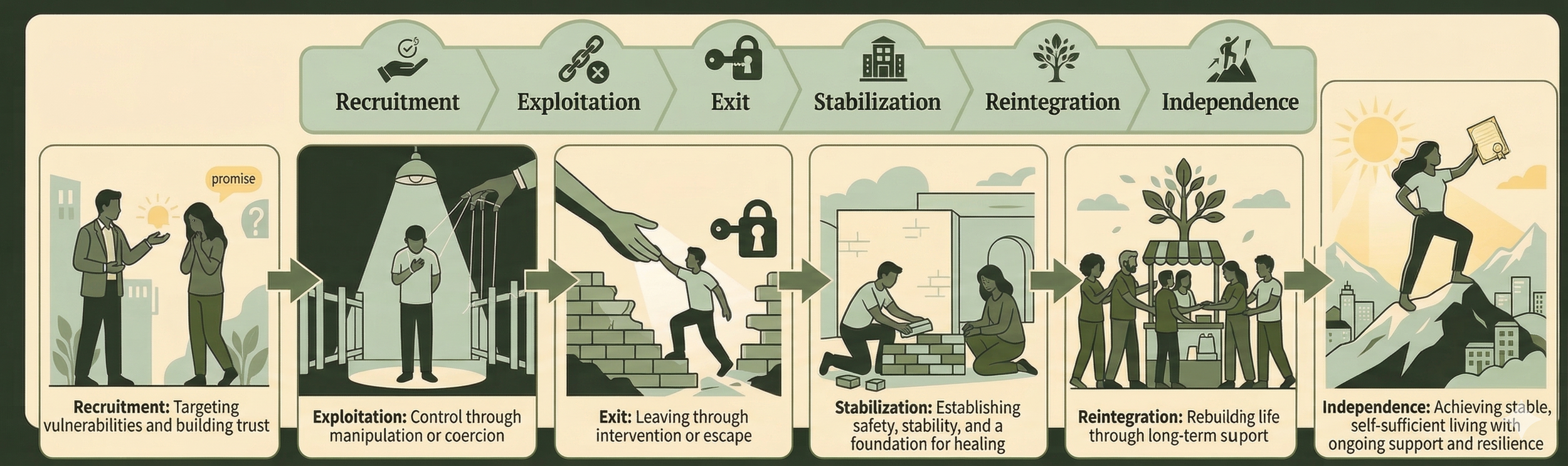
With the right support, survivors can rebuild stability, independence, and long-term success.

What is life like for survivors?
Survivors often face:
Trauma and post-traumatic stress
Housing instability
Limited education or employment gaps
Physical and mental health needs
Social isolation

How does 1ninety-nine help survivors move from exploitation to independence?
They provide:
Survivor-centered, trauma-informed programs
Life skills and empowerment, including job readiness training
Mentorship
Community reintegration
Long-term support
Learn the signs
Support survivor-focused organizations
Educate youth on risks and online safety
Advocate for prevention
Report suspected trafficking
How Can YOU Help?
National Human Trafficking Hotline:
Call: 1-888-373-7888
Text: 233733
(Available 24/7 and always confidential)
Sources
U.S. Department of Homeland Security – Human Trafficking Awareness Resources (2025)Missouri Department of Transportation – Human Trafficking Awareness Initiative (2024)National Human Trafficking Training and Technical Assistance Center – Survivor Services Framework (2023)National Institute of Justice – Human Trafficking Research (2023)Bureau of Justice Statistics Human Trafficking Data Collection Activities (2024)
United Nations Office on Drugs and Crime – Global Report on Trafficking in Persons (2024)International Labour Organization & United Nations – Global Estimates of Modern Slavery (2024)Polaris Project – U.S. Trafficking Data (2024)National Human Trafficking Hotline – National Statistics (2024)