


Building Pathways to Lasting Freedom and Independence
At 1ninety-nine, we provide safe relationships and meaningful opportunities to ensure survivors walk toward a self-directed life.
Why This Work Matters
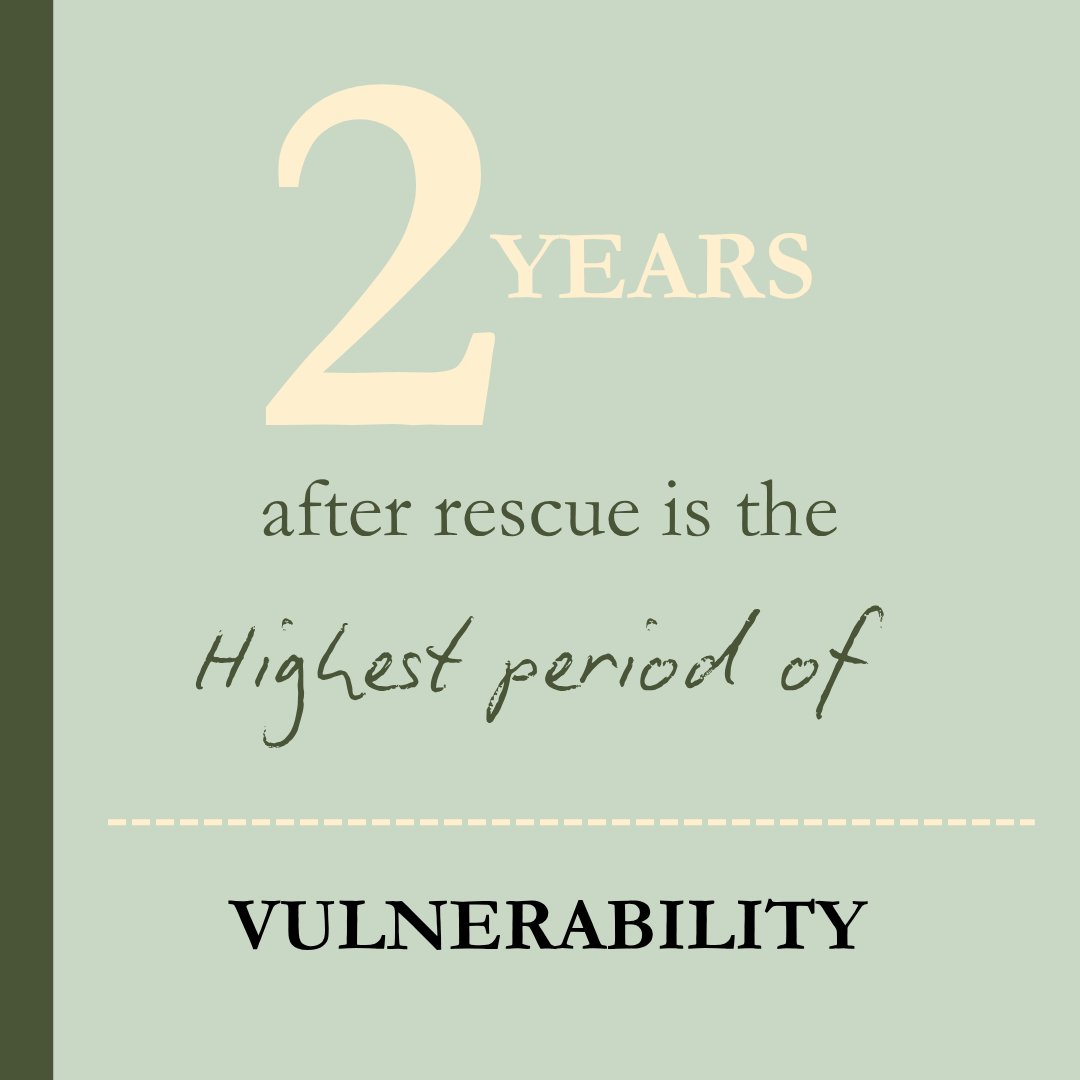
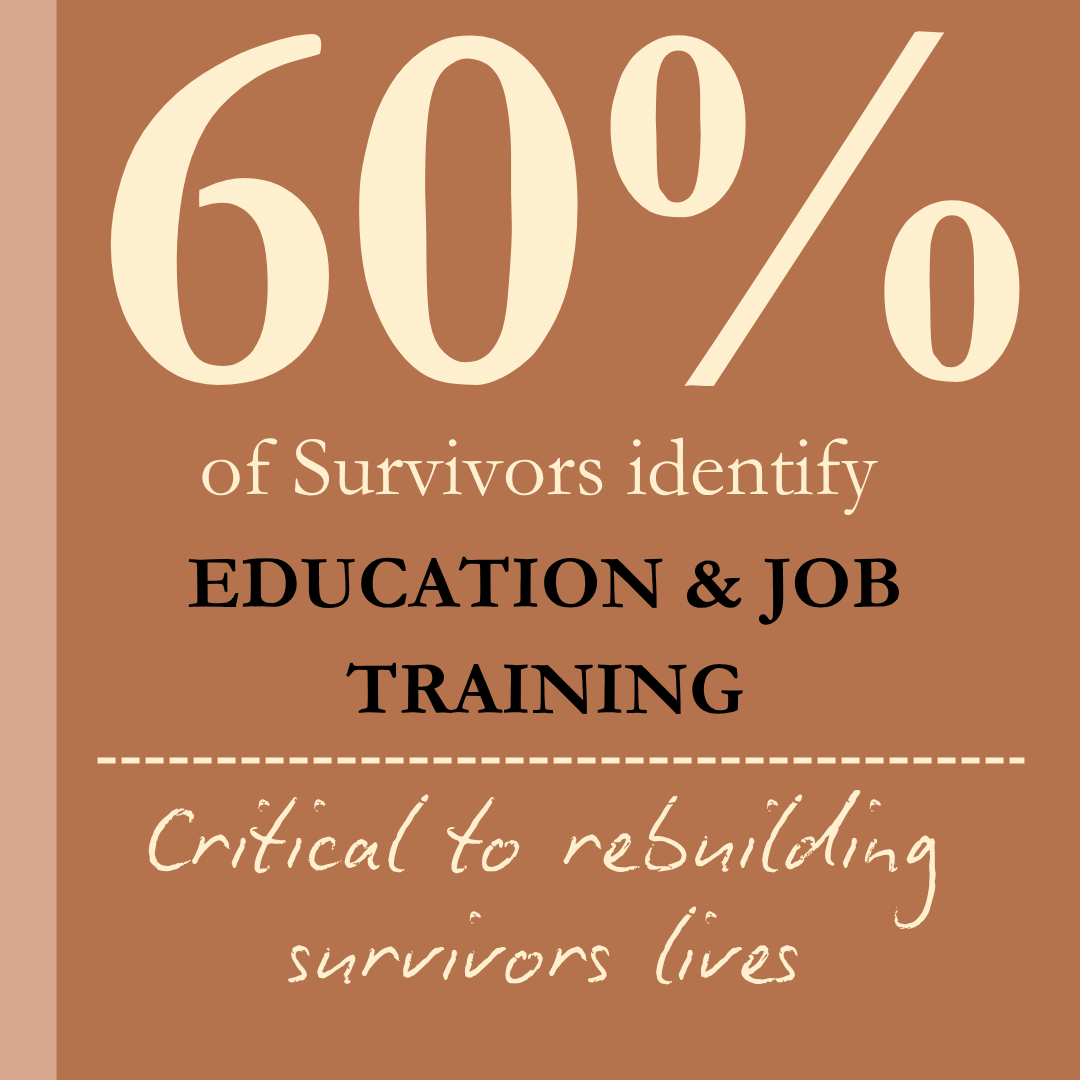
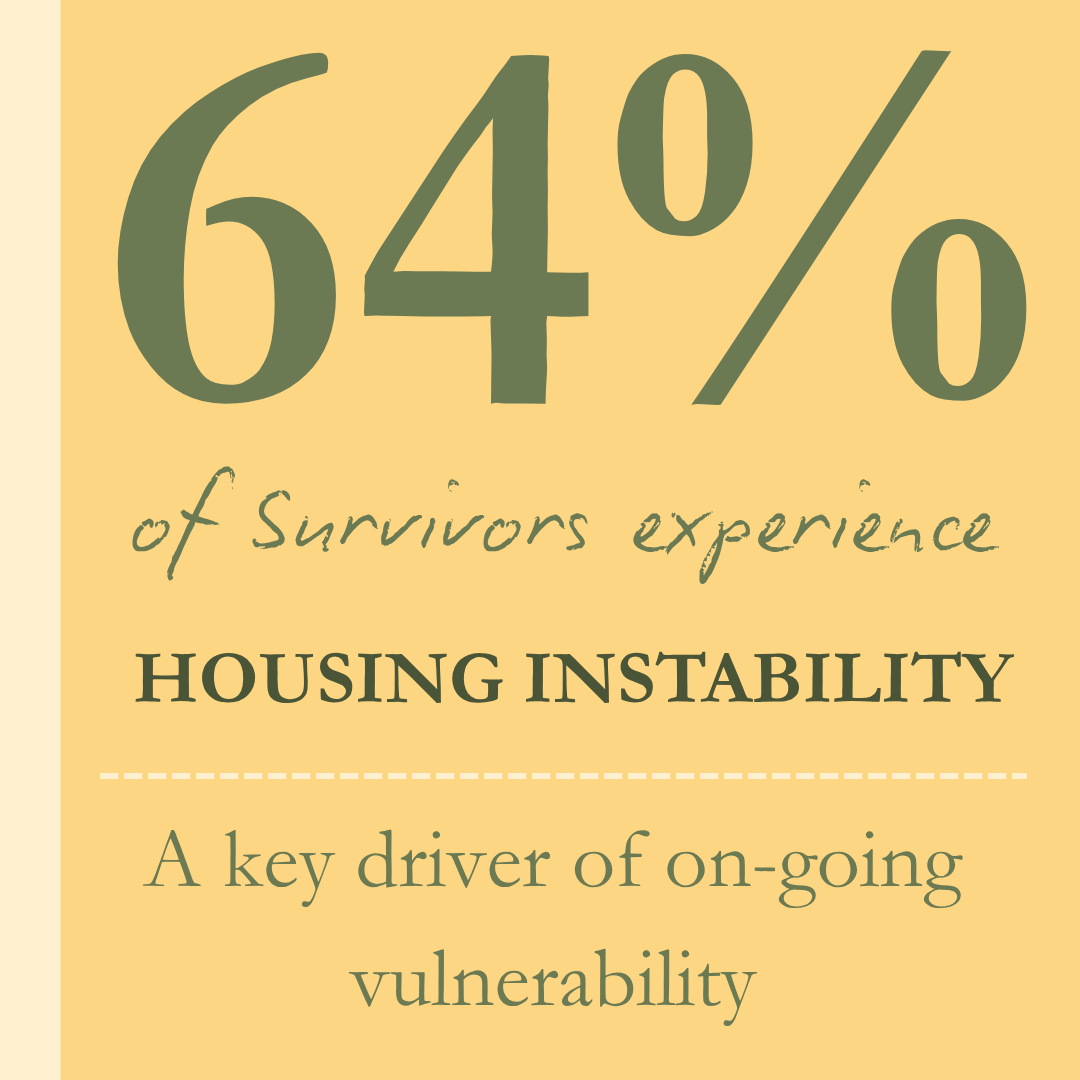
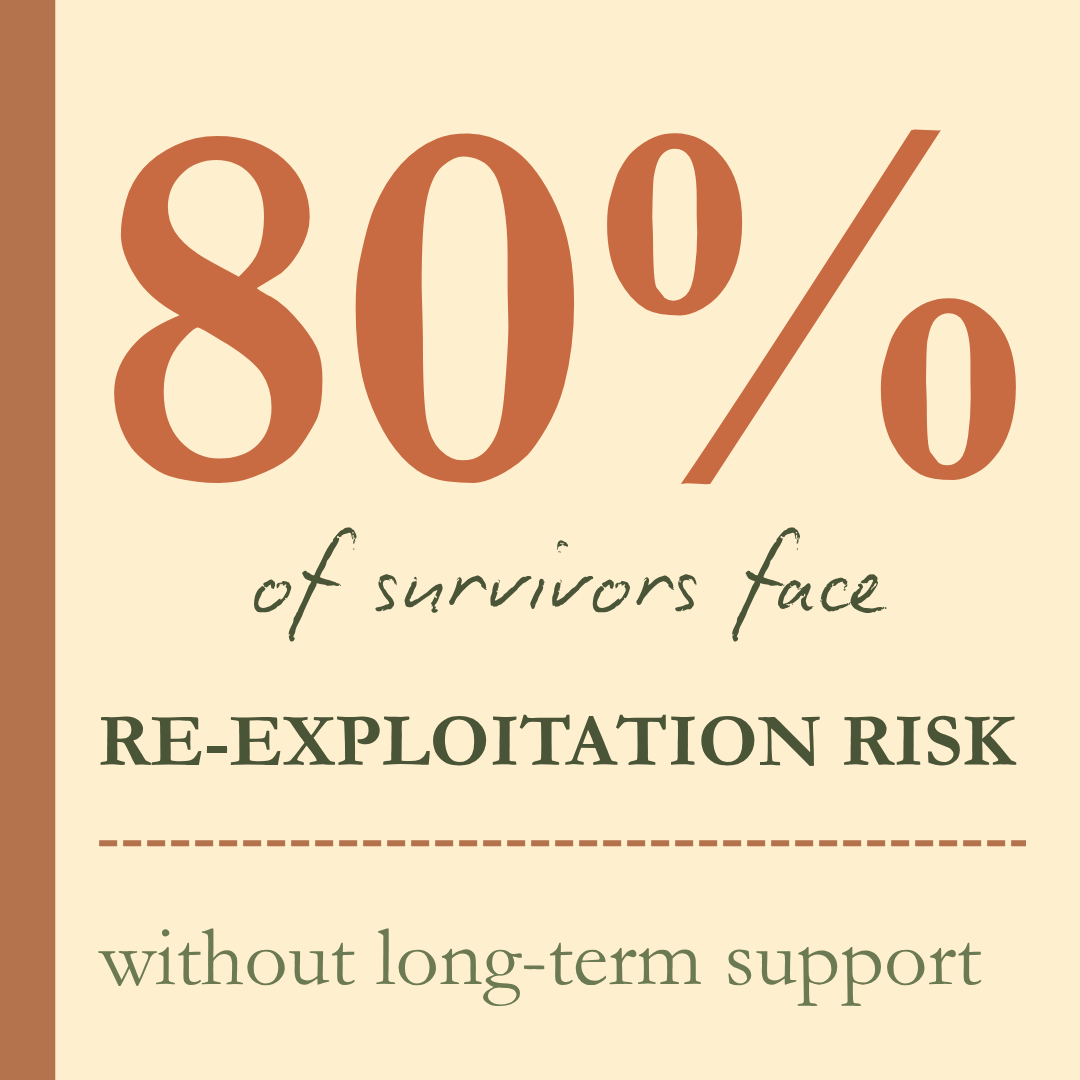
"Lasting freedom requires safe housing, meaningful opportunity, and consistent community support."
Our Impact.
Since fall 2023, 1ninety-nine has served 21 survivors through individualized programming within a 4-bed transitional living environment—demonstrating strong engagement and consistent program utilization within a limited-capacity, high-support environment. As the program has matured, long-term outcomes have strengthened significantly, with over half of participants in 2025 reaching 6-month stability milestones.
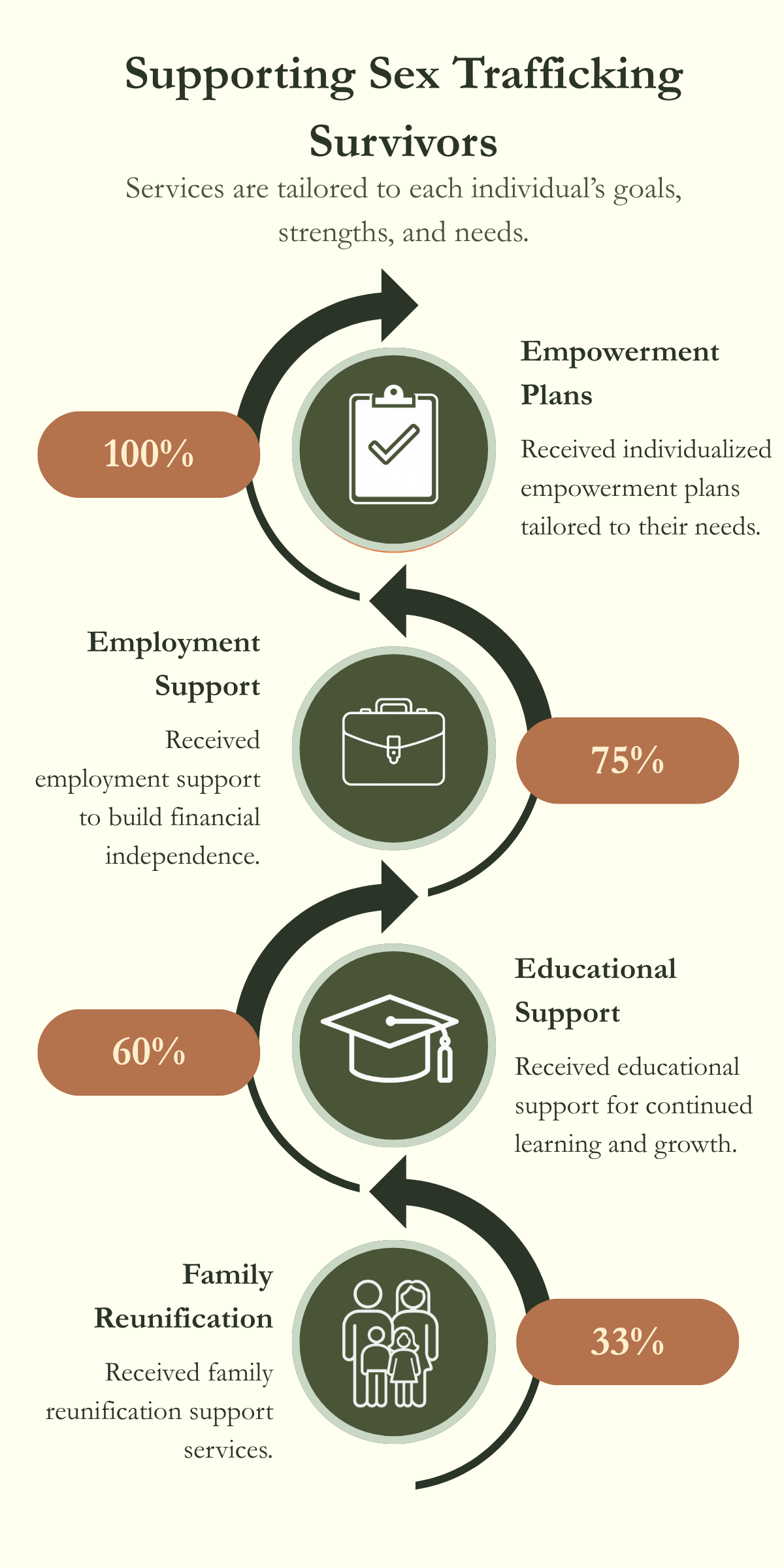
What this means:
Participants are building stable, self-directed lives through personalized, survivor-centered support.
Growth
From 2023–2024, no participants reached 6-month stability. In 2025, over half achieved this milestone.
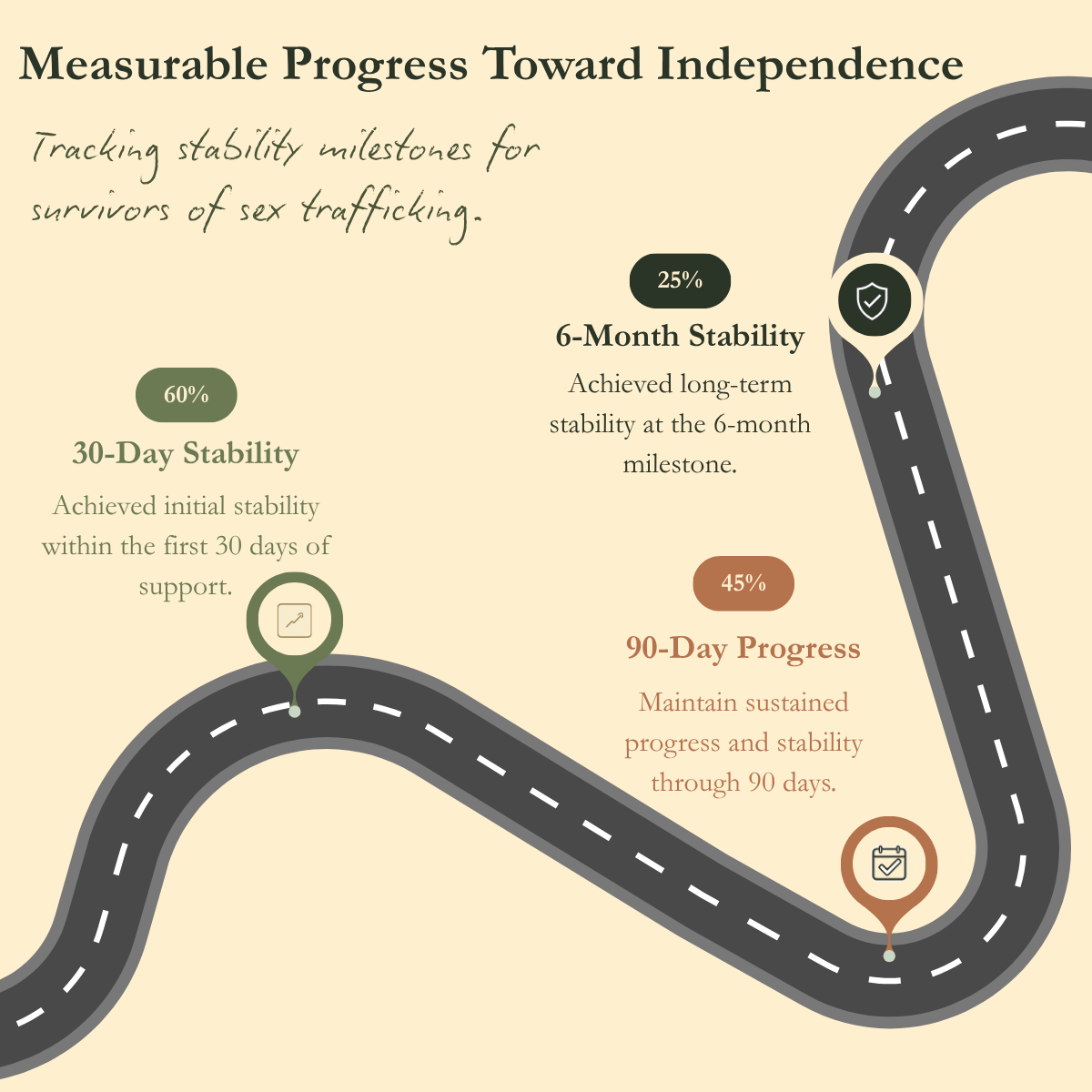
What this means:
Continued engagement over time is strongly associated with reduced vulnerability and increased independence.
The Power of Stability
In a world that focuses on the moment of escape, we focus on the lifetime that follows. True impact isn't just an exit from the past; it is the slow, steady building of a future.
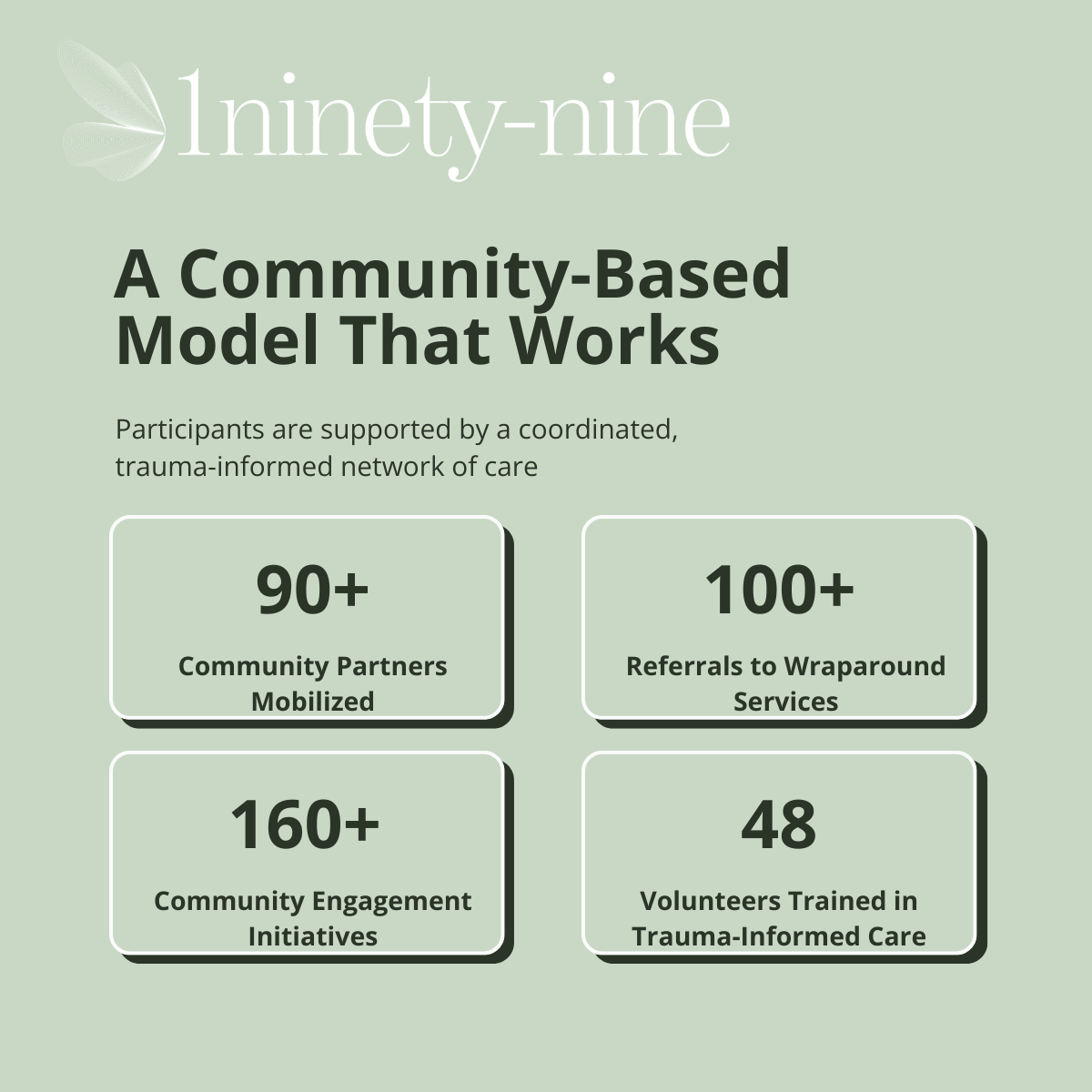
Research on survivor recovery identifies a holistic model of reintegration, meaning no single intervention is enough. Survivors need multiple supports working together to rebuild independence. ~From Victim to Survivor in Human Trafficking: Emphasizing a Holistic Return to Social Functioning. ~Adam Maciejewski; Therapy Route, 2025
The Daily Small Wins
Witness the powerful journeys of our survivors.

-
Restoring physical health allows survivors to focus on rebuilding their lives with renewed strength and stability.
-
Access to counseling provides survivors with a safe space to process their experiences, rebuild trust, and develop healthy coping strategies. Each session represents progress toward emotional stability and renewed hope.
-
Traffickers often manipulate or suppress a survivor’s sense of identity and spirituality. Through a supportive Christian community, survivors have the opportunity to rediscover faith and overcome barriers that once limited their spiritual growth. This restoration brings peace, dignity, and renewed purpose.
-
The ability to drive opens doors to employment, medical appointments, grocery shopping, and community engagement. This small step often marks the first moment a survivor can move through the world on their own terms.
-
Getting a job represents more than income—it represents independence and self-worth. Survivors gain the opportunity to develop skills, contribute to their community, and experience the dignity of earning their own living. Each new job is a step toward sustainable independence.

Engagement & Opportunities
Become a part of the 1ninety-nine circle of care. Get involved with our daily needs, connect at our events, and learn how we are changing lives, one at a time.